Why Your Commercial Vinyl Installer's Background Actually Matters
When you're commissioning wall wraps, window graphics or floor vinyls for a commercial space, the installer you choose makes a bigger difference than most clients realise — until something goes wrong.
Updated March 2026
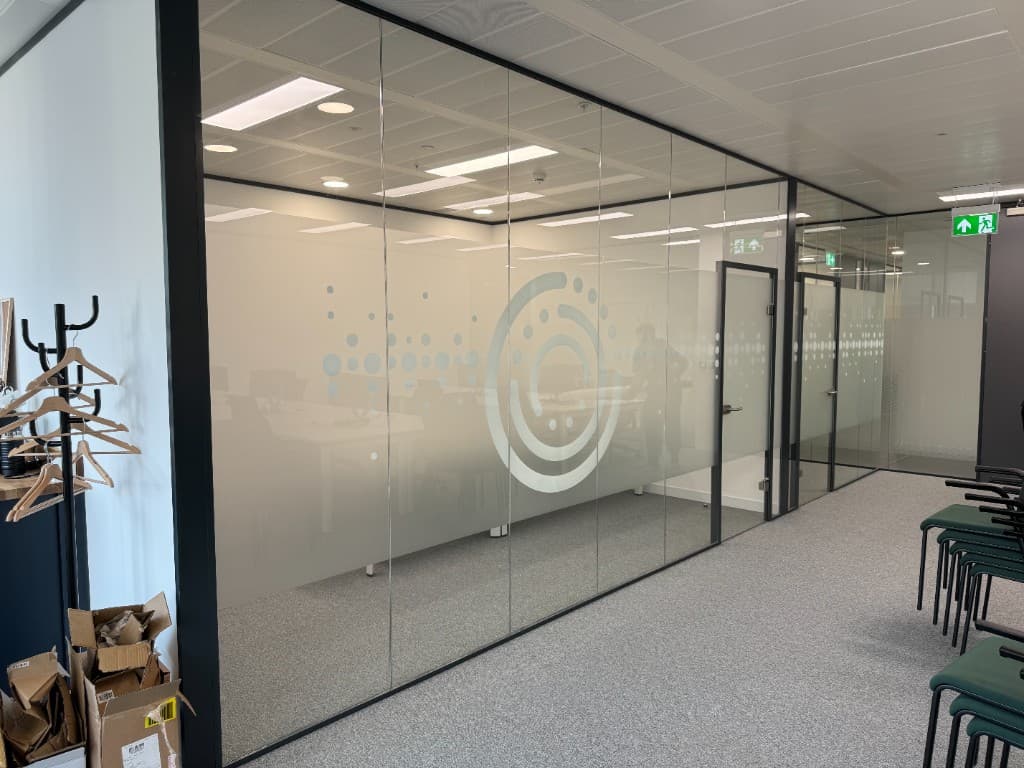
Commercial vinyl installation looks straightforward. Unroll the vinyl, apply it to the surface, trim the edges. In practice, the difference between a finish that looks right for five years and one that starts peeling in five months comes down almost entirely to two things: material knowledge and surface preparation. Most installers shortcut both.
The problem with "general" installation contractors
A lot of businesses that offer commercial vinyl installation are primarily contractors of another kind — shopfitters, sign makers, general commercial decorators — who added vinyl application to their service list because the equipment is accessible and the market is growing. They can do it. Whether they do it properly is a different question.
Proper vinyl application on commercial surfaces requires understanding how different substrates behave: how a painted plasterboard wall differs from a tiled surface or a powder-coated fascia in terms of adhesion, preparation and long-term performance. It requires knowing which vinyl specification to use in which environment — the wrong film on a high-footfall floor graphic or a south-facing window can fail in weeks. And it requires preparation — proper surface cleaning, degreasing and priming where needed — before a single panel goes up.
When an installer hasn't spent years working with vinyl as their primary material, these decisions often get made by default rather than by knowledge. The wrong material is specified because it was in stock. The surface prep is skipped because the schedule is tight. The result looks fine on handover day and starts failing three months later.
What 7 years of precision vinyl application actually builds
WRPX started in residential vinyl application — specifically kitchen wrapping, where the demands on both material and installer are arguably higher than most commercial wall or window applications. Kitchen surfaces are greasy by nature, often curved or profiled, and the client sees the result every single day at close range. There is no hiding a bad seam on a kitchen door. There is no explaining away a bubble on a worktop wrap.
Seven years of working to that standard builds a specific kind of material knowledge: how to read a surface before vinyl goes anywhere near it; which primer or treatment is needed for which substrate; how to handle complex profiles, tight radii and recessed areas; how heat and tension interact with different film types; and how to achieve seams that disappear rather than catch the light.
That knowledge transfers directly to commercial work — and it's visible in the results. Wall wraps applied by WRPX don't have lifting edges at the corners. Window graphics don't have visible seams at eye level. Floor vinyls are applied flat, with no bubbling from inadequate surface preparation.
Materials make a difference too
WRPX uses premium commercial vinyl from 3M, Avery Dennison, CoverStyl and Hexis. These are not budget films bought to hit a price point. They are materials specified for demanding commercial environments — high footfall, UV exposure, frequent cleaning — and they perform accordingly when applied correctly.
The material cost difference between a quality commercial vinyl and a budget alternative is relatively small in the context of a total installation project. The performance difference over a three to five year lifespan is significant. For a brand that needs its store to look consistent for the duration of a campaign, or an agency managing a client relationship across a retail estate, that difference matters.
We specify the right material for the application in writing before production begins. If a surface or environment isn't suitable for the finish a client is expecting, we say so before the print is ordered — not after it's been applied and started failing.
What this means for your commercial project
If you're commissioning commercial vinyl installation in South Yorkshire, Yorkshire or across the Northern England corridor, the questions worth asking any prospective installer are straightforward:
- What vinyl brands do you specify, and why?
- What surface preparation do you carry out before installation?
- Can you show me examples of installations that are more than 12 months old?
WRPX can answer all three — with specifics, not generalities. For an overview of the services we provide, see our Commercial & Retail Vinyl Installation hub or talk to us directly about your next commercial project.

Written by Connor, WRPX Kitchen Wrapping Specialist